
Introduction:
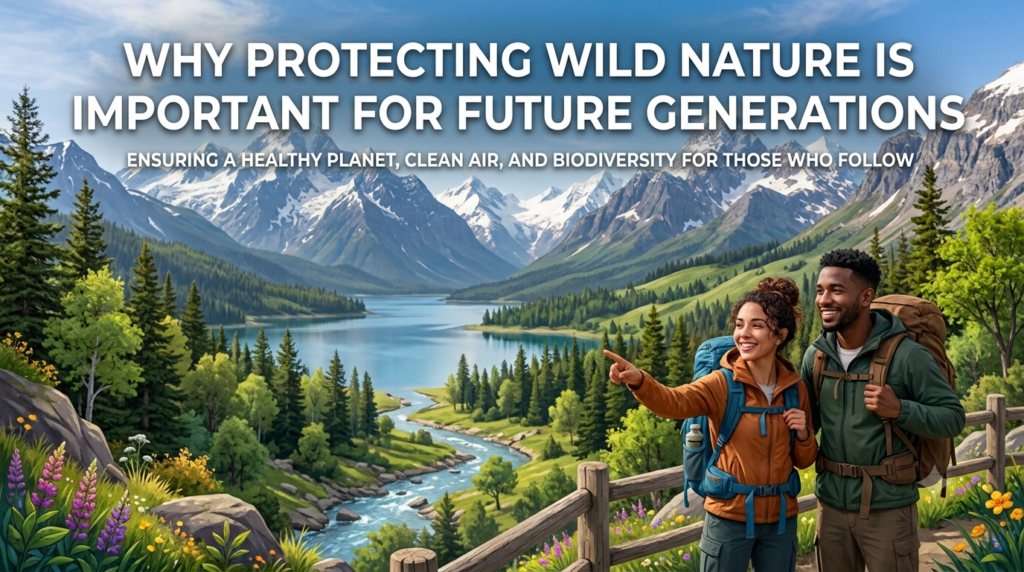
Protecting wild nature is one of the most important responsibilities humanity has today. The forests, mountains, rivers, oceans, grasslands, wetlands, and wildlife that surround us are far more than beautiful places to explore. They are the foundation of life on Earth, providing clean air, fresh water, food, medicine, and stable climates that support every living creature. As the world’s population continues to grow and urban development expands, natural habitats are disappearing at an alarming rate. Forests are being cleared, wildlife populations are declining, and ecosystems that have existed for thousands of years are facing unprecedented threats. Protecting wild nature is not only about preserving beautiful landscapes—it is about ensuring that future generations inherit a healthy, thriving planet capable of sustaining life.
Wild nature supports every aspect of human survival. Every breath we take depends on healthy forests and oceans that produce oxygen and absorb carbon dioxide. Rivers and wetlands provide clean drinking water, while fertile ecosystems support agriculture and food production. Countless medicines have been developed from plants and organisms found in natural environments. Without healthy ecosystems, human health, economic stability, and food security would all be at risk. Future generations deserve access to the same natural resources that people enjoy today, making conservation one of the most valuable investments society can make.
Forests are among the most important natural ecosystems on Earth. They cover nearly one-third of the planet’s land surface and provide habitat for millions of species. Trees absorb carbon dioxide from the atmosphere, helping reduce the impacts of climate change while releasing oxygen that all living creatures need. Forests also regulate rainfall, prevent soil erosion, protect watersheds, and maintain biodiversity. Ancient forests, in particular, store enormous amounts of carbon and support ecosystems that cannot easily be replaced once destroyed. Protecting forests ensures that future generations continue to benefit from these essential environmental services.
Biodiversity is another critical reason for protecting wild nature. Biodiversity refers to the variety of living organisms, including plants, animals, insects, fungi, and microorganisms that exist within an ecosystem. Every species plays a unique role in maintaining ecological balance. Bees pollinate crops, birds spread seeds, predators control prey populations, and decomposers recycle nutrients back into the soil. When one species disappears, the effects often spread throughout the entire ecosystem. Healthy biodiversity creates stronger ecosystems that are more resilient to diseases, natural disasters, and climate change. Preserving biodiversity ensures that future generations inherit ecosystems capable of adapting to changing environmental conditions.
Basics:
Wildlife conservation is closely connected to environmental health. Animals contribute to ecosystem stability through natural behaviors that maintain balance in the environment. Elephants create pathways through forests that help other species move freely. Wolves regulate deer populations, preventing overgrazing that damages vegetation. Marine animals maintain healthy ocean ecosystems, while birds help control insect populations and spread plant seeds. Every species contributes to the natural processes that keep ecosystems functioning properly. Protecting wildlife means protecting the complex relationships that allow nature to thrive.
Climate change has become one of the greatest challenges facing the modern world, and protecting wild nature plays a significant role in addressing this global issue. Forests, wetlands, grasslands, and oceans act as natural carbon sinks by absorbing greenhouse gases from the atmosphere. These ecosystems help regulate global temperatures and reduce the impacts of climate change. Deforestation, habitat destruction, and pollution reduce nature’s ability to store carbon, making climate-related problems even worse. Conserving natural landscapes strengthens Earth’s natural defenses against rising temperatures, extreme weather events, droughts, floods, and wildfires.
Freshwater resources depend heavily on healthy ecosystems. Forests protect watersheds, wetlands filter pollutants, and rivers transport clean water across landscapes. Without these natural systems, communities face increased risks of water shortages and contamination. As populations continue to grow, access to clean drinking water becomes increasingly important. Protecting natural environments today helps secure reliable freshwater supplies for future generations while reducing the cost of water treatment and infrastructure development.
Healthy ecosystems also contribute significantly to global food security. Agriculture depends on pollinators such as bees, butterflies, birds, and bats, many of which rely on natural habitats for survival. Fertile soils develop through natural ecological processes supported by microorganisms, earthworms, and healthy vegetation. Forests regulate rainfall patterns that influence crop production across entire regions. Oceans provide seafood for billions of people, while grasslands support livestock and grazing animals. Protecting wild nature ensures that future generations continue to benefit from productive ecosystems capable of supporting sustainable food production.
Economic prosperity is closely linked to environmental conservation. Tourism based on national parks, wildlife reserves, forests, beaches, and natural attractions generates billions of dollars annually while supporting millions of jobs worldwide. Sustainable industries such as ecotourism, forestry, fisheries, and renewable energy depend on healthy ecosystems. When natural environments are destroyed, local economies often suffer from reduced tourism, declining fisheries, and increased disaster recovery costs. Investing in conservation creates long-term economic benefits while protecting valuable natural resources for future generations.
Wild nature also provides enormous educational and scientific value. Many groundbreaking discoveries in medicine, biology, ecology, and environmental science have originated from studying natural ecosystems. Scientists continue to discover new plant species, insects, marine organisms, and microorganisms that may hold the key to future medical treatments and technological innovations. Natural environments serve as living laboratories where researchers gain valuable knowledge about evolution, climate systems, biodiversity, and ecological relationships. Preserving these ecosystems ensures that future scientists can continue making discoveries that improve human life.
Spending time in nature also benefits physical and mental health. Research consistently shows that walking through forests, hiking mountains, or relaxing near rivers reduces stress, improves mood, enhances concentration, and supports overall well-being. Children who spend time outdoors often develop stronger problem-solving skills, greater creativity, and a deeper appreciation for the environment. Future generations deserve opportunities to experience the peace, beauty, and inspiration that only wild nature can provide.
Unfortunately, many natural ecosystems face increasing threats from human activities. Deforestation continues to remove millions of acres of forest every year, primarily due to agriculture, urban expansion, and logging. Pollution contaminates rivers, oceans, and soil, harming both wildlife and human health. Illegal hunting and wildlife trafficking threaten endangered species across multiple continents. Climate change alters habitats, melts glaciers, raises sea levels, and disrupts migration patterns for countless animals. Without immediate action, many ecosystems may suffer irreversible damage that future generations cannot repair.
Conservation efforts around the world demonstrate that positive change is possible. National parks, protected forests, marine reserves, wildlife sanctuaries, and habitat restoration projects have successfully protected endangered species and restored damaged ecosystems. Governments, conservation organizations, scientists, Indigenous communities, and volunteers work together to preserve biodiversity and promote sustainable environmental management. These initiatives prove that responsible conservation can protect both nature and human interests.
Technology is becoming an increasingly valuable tool in conservation. Satellite monitoring helps detect illegal deforestation, drones assist wildlife surveys, GPS tracking monitors endangered animals, and artificial intelligence analyzes environmental data more efficiently than ever before. Camera traps allow researchers to study elusive wildlife without disturbing natural habitats. These technological advances improve conservation strategies while providing valuable information for protecting ecosystems in the future.
Every individual has the power to contribute to protecting wild nature. Small daily actions such as reducing plastic use, recycling materials, conserving water, planting trees, supporting sustainable products, and participating in local conservation programs collectively make a significant difference. Choosing environmentally responsible travel, reducing energy consumption, and educating others about conservation further strengthen efforts to protect natural environments. Even simple lifestyle changes can help preserve ecosystems for future generations.
Education plays a central role in environmental conservation. Teaching children about biodiversity, ecosystems, wildlife, and sustainability encourages lifelong respect for nature. Schools, families, parks, museums, and environmental organizations all contribute to building environmental awareness. Young people who understand the importance of conservation are more likely to become responsible citizens who support policies and practices that protect the planet throughout their lives.
Governments and businesses also share responsibility for environmental protection. Strong environmental laws, sustainable development policies, renewable energy investments, responsible land management, and corporate sustainability initiatives help reduce environmental damage while supporting economic growth. International cooperation is essential because environmental challenges such as climate change and biodiversity loss affect every nation regardless of borders.
The future of humanity is closely connected to the future of wild nature. Healthy ecosystems provide the resources necessary for survival while maintaining the balance that supports life across the planet. Every forest protected, every river restored, every endangered species saved, and every sustainable decision made today creates a stronger foundation for tomorrow. Protecting nature is not simply an environmental issue—it is a commitment to ensuring that children, grandchildren, and future generations inherit a world filled with clean air, fresh water, thriving wildlife, and breathtaking natural landscapes.
In conclusion, protecting wild nature is one of the greatest gifts we can offer future generations. It preserves biodiversity, combats climate change, secures natural resources, supports economic prosperity, advances scientific knowledge, and improves human well-being. Although environmental challenges continue to grow, collective action from individuals, communities, governments, and organizations can make a lasting difference. By valuing and protecting Earth’s remaining wilderness today, we ensure that future generations will continue to experience the beauty, diversity, and life-supporting power of the natural world. Every action taken in support of conservation brings us one step closer to a healthier, more sustainable future for all.