
INTRODUTION:
The world is filled with extraordinary landscapes that showcase nature at its finest. From towering mountains and dense rainforests to crystal-clear lakes and remote wilderness areas, these destinations reveal the incredible beauty of our planet. While modern cities continue to grow, there are still places where nature remains largely untouched, offering breathtaking scenery and unforgettable experiences. These wild locations provide a sanctuary for wildlife, support diverse ecosystems, and inspire millions of travelers every year. Exploring these natural wonders allows people to reconnect with the environment and appreciate the remarkable diversity of life on Earth.
Wild places are more than just tourist attractions. They are living ecosystems that support countless species of plants and animals while providing essential environmental benefits such as clean air, fresh water, and climate regulation. Many of these destinations have remained relatively unchanged for centuries, preserving landscapes that reflect the Earth’s natural beauty. Whether hidden deep within remote forests or stretching across vast mountain ranges, these wilderness areas remind us why protecting nature is so important.
One of the most stunning wild places in the world is the Amazon Rainforest in South America. Covering millions of square kilometers across multiple countries, the Amazon is the largest tropical rainforest on Earth. It is home to an astonishing variety of wildlife, including jaguars, sloths, macaws, pink river dolphins, and thousands of other species. The dense green canopy, winding rivers, and rich biodiversity make the Amazon one of the most spectacular natural environments on the planet. Often referred to as the “lungs of the Earth,” this rainforest plays a vital role in regulating the global climate and producing oxygen.
BASICS:
Another breathtaking destination is Yellowstone National Park in the United States. Known for its geothermal features, Yellowstone is home to famous geysers, hot springs, waterfalls, forests, and abundant wildlife. Visitors can witness the eruption of Old Faithful, explore colorful thermal pools, and observe animals such as bison, wolves, bears, and elk in their natural habitat. The park’s diverse landscapes create a unique combination of geological wonders and wilderness that attracts nature lovers from around the world.
The Serengeti in Tanzania is widely regarded as one of Africa’s most beautiful wild places. This vast ecosystem is famous for the Great Migration, during which millions of wildebeest, zebras, and gazelles travel across the plains in search of fresh grazing land. The Serengeti also supports lions, cheetahs, leopards, elephants, and countless bird species. Endless grasslands stretching toward the horizon create some of the most iconic wildlife scenes on Earth. Watching a sunset over the Serengeti is an unforgettable experience that highlights the raw beauty of the African wilderness.
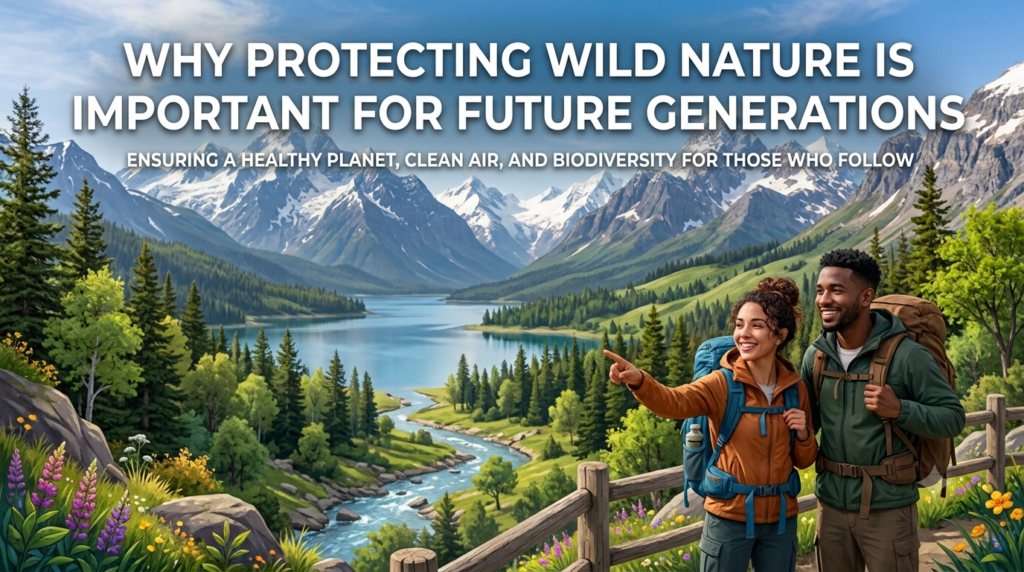
Banff National Park in Canada is another natural masterpiece. Located in the Canadian Rockies, Banff features snow-capped mountains, turquoise lakes, glaciers, forests, and abundant wildlife. Lake Louise and Moraine Lake are among the most photographed natural attractions in the world due to their vibrant blue waters and stunning mountain backdrops. Visitors can hike scenic trails, spot bears and elk, or simply admire the dramatic landscapes that make Banff one of the most beautiful wilderness destinations on the planet.
Patagonia, shared by Argentina and Chile, offers some of the most dramatic scenery found anywhere on Earth. This remote region is known for its rugged mountains, glaciers, crystal-clear lakes, and vast open spaces. The towering peaks of Torres del Paine and the massive Perito Moreno Glacier attract adventurers, photographers, and nature enthusiasts from around the globe. Patagonia’s untouched beauty and sense of isolation create a unique wilderness experience that few destinations can match.
FOLLOW STEPS:
Fiordland National Park in New Zealand is another remarkable example of wild nature. Famous for its deep fjords, waterfalls, dense rainforests, and towering cliffs, this region is one of the country’s most spectacular natural attractions. Milford Sound, often considered one of the world’s most beautiful fjords, features dramatic scenery shaped by glaciers over thousands of years. Visitors frequently encounter dolphins, seals, and rare bird species while exploring the park’s pristine waterways and lush forests.
The Galápagos Islands in Ecuador are renowned for their unique wildlife and untouched ecosystems. These volcanic islands inspired Charles Darwin’s theory of evolution and remain one of the most important natural laboratories in the world. Giant tortoises, marine iguanas, blue-footed boobies, sea lions, and countless other species thrive in an environment largely unaffected by human development. The islands provide a rare opportunity to observe wildlife up close in one of the world’s most extraordinary natural settings.
Another destination worthy of recognition is Norway’s Arctic wilderness. The country’s northern regions feature dramatic fjords, snow-covered mountains, glaciers, and vast tundra landscapes. During winter, visitors can witness the mesmerizing Northern Lights dancing across the night sky, while summer brings the phenomenon of the Midnight Sun. Wildlife such as reindeer, arctic foxes, whales, and seabirds contribute to the region’s natural beauty. Norway’s pristine wilderness demonstrates the stunning diversity of Earth’s northern environments.
The Congo Rainforest in Central Africa is the second-largest tropical rainforest in the world and one of the most important biodiversity hotspots on the planet. This vast wilderness supports endangered species such as mountain gorillas, forest elephants, chimpanzees, and okapis. Dense forests, winding rivers, and remote landscapes create an environment that remains largely unexplored compared to other famous wilderness destinations. The Congo Rainforest plays a crucial role in maintaining global biodiversity and regulating climate systems.
Completing the list is Antarctica, the most remote and untouched continent on Earth. Although often associated with ice and extreme cold, Antarctica possesses a unique beauty unlike anywhere else in the world. Massive glaciers, towering icebergs, snow-covered mountains, and vast frozen landscapes create breathtaking scenery. Wildlife such as penguins, seals, whales, and seabirds thrive in this challenging environment. Antarctica’s pristine condition serves as a reminder of the importance of protecting Earth’s last great wilderness areas.
TIPS&TRICKS:
What makes these destinations truly special is not only their beauty but also their ecological significance. Each location supports unique ecosystems that contribute to the health of the planet. Forests absorb carbon dioxide and produce oxygen, wetlands filter water, grasslands support wildlife, and oceans regulate climate patterns. These natural systems are interconnected, meaning that protecting one ecosystem often benefits many others. The survival of countless species depends on the preservation of these habitats.
Despite their importance, many of the world’s most beautiful wild places face significant threats. Deforestation, pollution, climate change, habitat destruction, and unsustainable tourism continue to impact natural environments worldwide. Rising temperatures are melting glaciers, changing weather patterns, and threatening species that depend on stable ecosystems. Protecting these landscapes requires international cooperation, effective conservation policies, and public awareness about environmental issues.
Conservation organizations, governments, scientists, and local communities are working together to preserve these extraordinary places. Protected areas, wildlife reserves, and national parks play a crucial role in safeguarding biodiversity while allowing people to experience nature responsibly. Sustainable tourism also provides economic benefits that encourage conservation efforts and support local communities living near these natural attractions.
Travelers can contribute to conservation by following responsible tourism practices. Respecting wildlife, minimizing waste, staying on designated trails, and supporting eco-friendly businesses help reduce environmental impact. Every visitor has an opportunity to become an ambassador for nature by promoting awareness and supporting initiatives that protect wilderness areas for future generations.
The most beautiful wild places in the world inspire wonder, adventure, and appreciation for the natural environment. They showcase Earth’s incredible diversity and remind us of the importance of preserving the landscapes that sustain life. From the lush Amazon Rainforest and the endless plains of the Serengeti to the icy beauty of Antarctica and the majestic mountains of Patagonia, these destinations represent some of the greatest treasures our planet has to offer.
As humanity continues to develop and expand, protecting these extraordinary places becomes increasingly important. Future generations deserve the opportunity to experience the same breathtaking landscapes, diverse wildlife, and untouched wilderness that exist today. By supporting conservation efforts and embracing sustainable practices, we can help ensure that these magnificent wild places remain vibrant and protected for many years to come. The beauty of nature is one of Earth’s greatest gifts, and preserving it is a responsibility shared by all.