
Introduction:
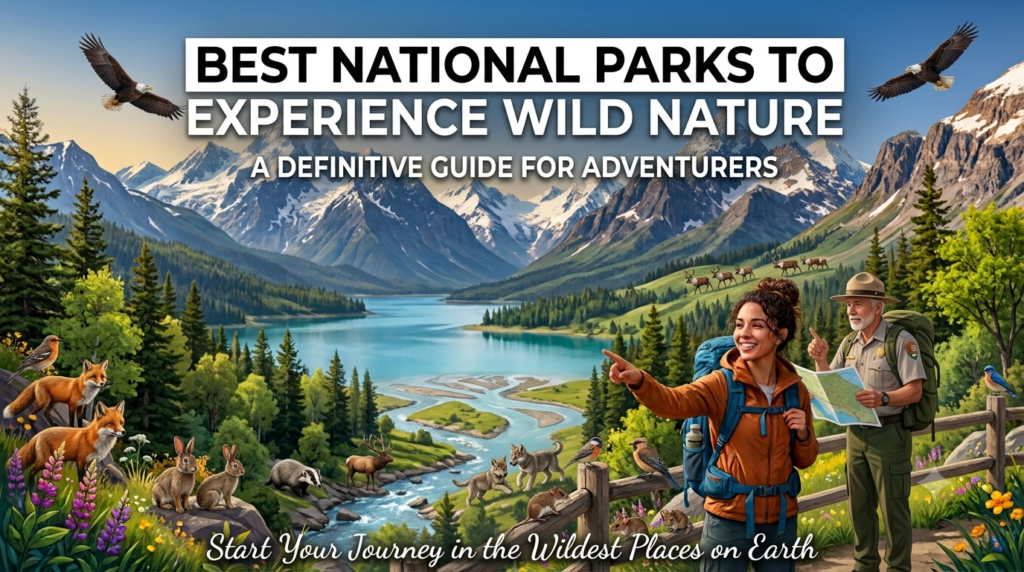
National parks are among the greatest treasures on Earth, protecting some of the world’s most spectacular landscapes, diverse wildlife, and untouched ecosystems. They serve as safe havens for endangered species, preserve natural habitats, and allow people to experience the beauty of wild nature in its purest form. From towering mountains and ancient forests to vast grasslands and crystal-clear lakes, national parks showcase the incredible diversity of our planet. Every year, millions of visitors explore these protected areas to enjoy breathtaking scenery, observe wildlife, and reconnect with nature. Beyond their beauty, national parks play a vital role in conservation by safeguarding ecosystems for future generations while promoting environmental education and sustainable tourism.
The concept of national parks was created to protect natural landscapes from development and preserve them for everyone to enjoy. Today, thousands of national parks exist across the globe, each offering unique environments, wildlife, and outdoor experiences. Whether you dream of hiking through mountain valleys, watching wild animals roam freely, or exploring ancient forests, national parks provide unforgettable adventures while supporting biodiversity and environmental protection.
One of the world’s most famous national parks is Yellowstone National Park in the United States. Established in 1872 as the world’s first national park, Yellowstone is renowned for its geothermal wonders, including geysers, hot springs, mud pots, and colorful thermal pools. The park is also home to bison, wolves, grizzly bears, elk, moose, and countless bird species. Visitors can witness the famous Old Faithful geyser, hike scenic trails, explore waterfalls, and enjoy breathtaking landscapes shaped by volcanic activity. Yellowstone demonstrates how conservation can successfully protect both natural beauty and wildlife for future generations.
Banff National Park in Canada is another remarkable destination for experiencing wild nature. Nestled within the Canadian Rocky Mountains, Banff features snow-covered peaks, turquoise lakes, glaciers, evergreen forests, and abundant wildlife. Iconic locations such as Lake Louise and Moraine Lake attract photographers and nature lovers from around the world. Hiking, canoeing, wildlife watching, and scenic drives allow visitors to fully appreciate one of North America’s most beautiful protected areas. Bears, elk, mountain goats, wolves, and bighorn sheep can often be spotted within the park’s vast wilderness.
Kruger National Park in South Africa offers one of the finest wildlife safari experiences in the world. Covering nearly two million hectares, the park supports an extraordinary variety of animals, including the famous Big Five—lion, leopard, elephant, rhinoceros, and buffalo. Visitors also have opportunities to observe giraffes, zebras, cheetahs, hippos, crocodiles, hyenas, and hundreds of bird species in their natural habitat. Guided safaris provide unforgettable encounters with African wildlife while supporting conservation and local communities.
Serengeti National Park in Tanzania is internationally recognized for its incredible wildlife and breathtaking landscapes. The park is most famous for the Great Migration, during which millions of wildebeest, zebras, and gazelles travel across the plains in search of fresh grazing land. Predators such as lions, cheetahs, leopards, and hyenas follow these massive herds, creating one of the world’s greatest wildlife spectacles. The endless grasslands, dramatic sunsets, and abundant biodiversity make the Serengeti one of the most iconic national parks on Earth.
Torres del Paine National Park in Chile is one of South America’s most stunning wilderness destinations. Located in the Patagonia region, the park features dramatic granite peaks, glaciers, turquoise lakes, waterfalls, and vast grasslands. Visitors can hike world-famous trails while spotting guanacos, foxes, condors, flamingos, and the elusive puma. The combination of rugged mountain scenery and pristine wilderness creates an unforgettable experience for outdoor enthusiasts seeking adventure and natural beauty.
Fiordland National Park in New Zealand showcases some of the country’s most spectacular landscapes. Deep fjords, lush rainforests, towering waterfalls, and snow-capped mountains create breathtaking scenery unlike anywhere else in the world. Milford Sound, located within the park, is considered one of New Zealand’s greatest natural attractions. Visitors often encounter dolphins, seals, penguins, and rare native birds while exploring the region by boat, kayak, or hiking trail.
Kaziranga National Park in India is a globally significant wildlife sanctuary known for protecting the endangered one-horned rhinoceros. The park also supports elephants, Bengal tigers, wild water buffalo, swamp deer, and hundreds of bird species. Its wetlands, grasslands, and forests provide ideal habitats for a wide range of wildlife. Conservation efforts within Kaziranga have successfully increased rhino populations, making it one of the world’s greatest conservation success stories.
Plitvice Lakes National Park in Croatia offers a completely different but equally breathtaking natural experience. The park is famous for its cascading waterfalls, crystal-clear lakes, wooden walking paths, and dense forests. Sixteen interconnected lakes create stunning shades of turquoise and emerald, attracting millions of visitors every year. Wildlife including bears, wolves, lynx, deer, and numerous bird species inhabit the surrounding forests, adding to the park’s ecological importance.
Swiss National Park in Switzerland is the country’s oldest protected area and an outstanding example of alpine wilderness. The park protects untouched mountain ecosystems where ibex, marmots, chamois, golden eagles, and red deer thrive. Visitors enjoy scenic hiking trails that pass through alpine meadows, forests, and rugged mountain landscapes. Strict conservation policies ensure that the park remains one of Europe’s best-preserved natural environments.
Galápagos National Park in Ecuador is unlike any other national park on Earth. Located across a volcanic archipelago in the Pacific Ocean, the park protects unique species found nowhere else in the world. Giant tortoises, marine iguanas, blue-footed boobies, sea lions, penguins, and Darwin’s famous finches thrive in these isolated ecosystems. The Galápagos Islands played a crucial role in Charles Darwin’s development of the theory of evolution and continue to be one of the world’s most important destinations for scientific research and wildlife conservation.
National parks offer much more than beautiful scenery. They preserve biodiversity by protecting habitats that countless species depend upon for survival. Forests within national parks absorb carbon dioxide, improve air quality, regulate rainfall, and prevent soil erosion. Wetlands filter water naturally, while grasslands support pollinators and grazing animals that maintain ecological balance. Healthy ecosystems within protected areas contribute significantly to global environmental stability and climate resilience.
National parks also play an essential role in wildlife conservation. Many endangered animals survive today because protected areas provide safe habitats free from excessive hunting, habitat destruction, and urban development. Conservation programs within national parks support breeding initiatives, scientific research, habitat restoration, and anti-poaching efforts. These programs have helped recover populations of species such as wolves, rhinos, giant pandas, California condors, and many others.
Sustainable tourism is another major benefit of national parks. Visitors contribute to local economies through entrance fees, accommodations, guided tours, transportation, and local businesses. This economic support encourages governments and communities to preserve natural landscapes rather than exploit them for short-term development. Responsible tourism also promotes environmental awareness by helping visitors understand the importance of protecting wildlife and ecosystems.
Experiencing wild nature within a national park offers significant physical and mental health benefits. Hiking through forests, observing wildlife, breathing fresh mountain air, and enjoying peaceful natural surroundings reduce stress, improve mood, and encourage physical activity. Many visitors leave national parks with a greater appreciation for environmental conservation and a stronger commitment to protecting nature.
Despite their protected status, many national parks face growing challenges. Climate change, invasive species, pollution, illegal hunting, overcrowding, and habitat fragmentation continue to threaten ecosystems worldwide. Rising temperatures are altering wildlife habitats, melting glaciers, increasing wildfire risks, and disrupting migration patterns. Addressing these challenges requires continued investment in conservation, scientific research, and responsible park management.
Every visitor can help preserve national parks by following simple environmental practices. Staying on designated trails, avoiding litter, respecting wildlife, reducing plastic waste, and following park regulations minimize human impact on fragile ecosystems. Supporting eco-friendly accommodations and local conservation initiatives further contributes to the long-term protection of these remarkable places.
Education is one of the greatest gifts national parks provide. Families, students, photographers, scientists, and travelers all gain valuable knowledge about wildlife, ecosystems, geology, and environmental conservation while exploring protected landscapes. These experiences inspire future generations to appreciate and protect the natural world.
The best national parks to experience wild nature are much more than travel destinations—they are living examples of Earth’s incredible biodiversity and natural beauty. Whether exploring the geothermal wonders of Yellowstone, watching wildlife in the Serengeti, hiking through Patagonia, or sailing the fjords of New Zealand, each park offers unforgettable experiences that deepen our connection with nature.
In conclusion, national parks represent humanity’s commitment to protecting the world’s most valuable natural landscapes. They preserve wildlife, support biodiversity, combat climate change, encourage sustainable tourism, and provide opportunities for education, recreation, and scientific discovery. As environmental challenges continue to grow, protecting these extraordinary places becomes increasingly important. By respecting and supporting national parks, we help ensure that future generations will continue to experience the breathtaking beauty, diverse wildlife, and peaceful wilderness that make these protected areas some of the greatest treasures on Earth.