
INTRODUCTION:
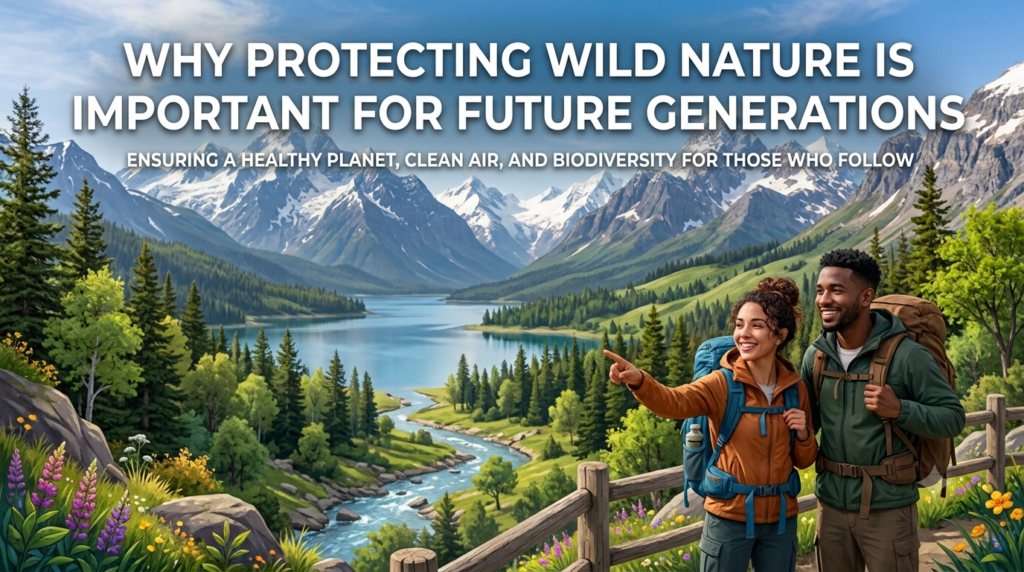
Wild nature represents the most beautiful and untouched parts of our planet, where forests remain dense, rivers flow freely, mountains stand tall, and wildlife lives in harmony with the environment. These incredible landscapes remind us of what Earth looked like long before cities, highways, and industrial development transformed much of the world. From towering mountain ranges covered in snow to tropical rainforests filled with colorful birds and rare animals, wild nature offers endless beauty and inspiration. It is a place where every sunrise feels magical, every sound comes from the natural world, and every season creates a new masterpiece. Exploring these untouched environments allows people to reconnect with the planet while appreciating the delicate balance that supports all forms of life.
The beauty of untouched landscapes lies in their purity. Unlike developed areas, wild places have remained largely unchanged for centuries or even thousands of years. Ancient forests continue to grow without interruption, rivers carve their own paths through valleys, and wildlife follows natural migration patterns that have existed for generations. These places provide a glimpse into Earth’s original beauty and remind us of the importance of preserving what still remains. Every tree, flower, and stream contributes to an ecosystem that functions naturally without human interference. This balance is what makes wild nature so extraordinary and valuable.
BASICS:
Forests are among the most remarkable examples of wild nature. Dense woodlands provide homes for countless species while producing the oxygen humans rely on every day. Walking through an untouched forest reveals towering trees, soft moss-covered ground, flowing streams, and the songs of birds echoing through the canopy. Sunlight filters gently through the leaves, creating peaceful patterns across the forest floor. Forests also regulate climate, store carbon, protect soil from erosion, and provide clean water to surrounding communities. These natural environments are far more than beautiful destinations—they are essential for maintaining life on Earth.
Mountain landscapes offer another breathtaking expression of wild nature. Their towering peaks, dramatic cliffs, and snow-covered summits create unforgettable scenery that attracts adventurers, photographers, and nature lovers from around the world. Mountains influence weather patterns, feed rivers through melting snow and glaciers, and provide unique habitats for plants and animals adapted to extreme conditions. High-altitude wildlife such as mountain goats, snow leopards, and golden eagles have evolved to survive in challenging environments where few other species can thrive. Standing on a mountain summit often gives visitors a deep appreciation for the scale and beauty of the natural world.
Rivers and lakes are equally important components of untouched landscapes. Crystal-clear rivers flow through forests, valleys, and mountains, carrying fresh water that supports wildlife and ecosystems along their journey. These waterways provide drinking water for animals, nourish surrounding vegetation, and create habitats for fish, amphibians, insects, and birds. Lakes reflect the beauty of nearby mountains and forests, creating peaceful scenes that inspire travelers and photographers alike. Healthy rivers also play a crucial role in maintaining biodiversity, transporting nutrients, and connecting different ecosystems across vast regions.
TIPS & TRICKS:
Grasslands may appear simple at first glance, but they contain an incredible variety of life. Vast open plains support grazing animals such as deer, antelope, bison, and zebras, while predators like wolves, lions, and cheetahs maintain ecological balance. Seasonal wildflowers transform grasslands into colorful landscapes filled with butterflies, bees, and other pollinators. These ecosystems are among the world’s most productive habitats, supporting both wildlife and local communities. Healthy grasslands also store carbon in their deep root systems, helping reduce the effects of climate change while preventing soil erosion.
Wetlands are another hidden treasure of wild nature. Marshes, swamps, and mangrove forests provide essential habitats for birds, fish, reptiles, and amphibians. They naturally filter water by trapping pollutants and sediments before they reach rivers and oceans. Wetlands also reduce flooding by absorbing excess rainfall and protecting nearby communities during storms. Despite their importance, wetlands remain among the most threatened ecosystems due to urban expansion and agricultural development. Protecting these environments benefits both wildlife and human populations.
Wildlife is perhaps the most fascinating aspect of untouched landscapes. Every ecosystem supports a unique collection of animals adapted to their surroundings. Tropical rainforests shelter monkeys, parrots, jaguars, and countless insect species, while Arctic regions are home to polar bears, arctic foxes, and seals. Oceans contain whales, dolphins, sea turtles, coral reefs, and millions of marine organisms that contribute to one of Earth’s richest ecosystems. Each species plays an important role in maintaining ecological balance, whether through pollination, seed dispersal, pest control, or nutrient recycling. The disappearance of even a single species can affect the entire ecosystem.
METHODS:
Biodiversity is one of the greatest strengths of wild nature. It refers to the variety of plants, animals, fungi, and microorganisms living within an ecosystem. Healthy biodiversity makes ecosystems stronger and more resilient to environmental changes. When different species work together naturally, forests remain healthy, rivers stay clean, and wildlife populations remain balanced. Biodiversity also provides humans with food, medicine, clean air, and scientific discoveries that improve our quality of life. Many modern medicines have been developed using compounds originally found in wild plants and organisms, highlighting the practical importance of protecting natural environments.
Nature also has a remarkable ability to improve human health and well-being. Spending time outdoors reduces stress, lowers blood pressure, improves concentration, and supports mental health. Walking through forests, hiking in mountains, or simply sitting beside a peaceful river allows people to disconnect from busy urban life and reconnect with nature. Many researchers have found that exposure to natural environments can reduce anxiety and improve emotional well-being. Wild places offer a sense of peace that modern cities often cannot provide, making them valuable for both physical and mental health.
Unfortunately, many untouched landscapes face serious threats. Deforestation, illegal logging, pollution, mining, climate change, urban expansion, and habitat destruction continue to reduce the size of natural ecosystems worldwide. As forests disappear, wildlife loses its habitat, biodiversity declines, and carbon emissions increase. Rivers become polluted, wetlands are drained, and grasslands are converted into farmland or urban developments. Climate change further intensifies these challenges by causing rising temperatures, melting glaciers, stronger storms, and changing rainfall patterns. Without immediate conservation efforts, many natural landscapes could be permanently altered or lost.
Conservation plays a critical role in protecting Earth’s remaining wilderness. National parks, wildlife reserves, marine protected areas, and conservation organizations work tirelessly to preserve important habitats and endangered species. Governments, scientists, local communities, and volunteers collaborate to restore forests, protect endangered animals, reduce pollution, and promote sustainable resource management. Conservation also involves educating people about the value of biodiversity and encouraging responsible environmental practices. Every successful conservation project demonstrates that humans can protect nature while still meeting economic and social needs.
Sustainable tourism has become an important tool for supporting conservation efforts. Responsible travelers choose eco-friendly accommodations, follow park regulations, respect wildlife, and minimize waste while exploring natural destinations. Sustainable tourism generates income for local communities, creating economic incentives to preserve forests, wildlife, and cultural heritage rather than exploiting them. Visitors who experience the beauty of untouched landscapes often become stronger advocates for environmental protection after witnessing nature firsthand.
Every individual can contribute to protecting wild nature through simple daily actions. Reducing plastic waste, recycling materials, conserving water, planting native trees, supporting conservation organizations, and choosing sustainable products all help reduce environmental impact. Educating future generations about wildlife and ecosystems also plays an important role in long-term conservation. Small actions taken by millions of people can collectively create significant positive change for the planet.
Technology is increasingly helping scientists protect wild landscapes. Satellite imagery, drones, GPS tracking, camera traps, and artificial intelligence enable researchers to monitor wildlife populations, detect illegal deforestation, and study ecosystem changes more effectively than ever before. These innovations provide valuable data that supports conservation planning and rapid responses to environmental threats. Modern technology and traditional conservation methods together create stronger strategies for preserving biodiversity.
The future of wild nature depends on decisions made today. As the global population grows and demand for natural resources increases, balancing development with environmental protection becomes more important than ever. Governments, businesses, communities, and individuals all share responsibility for protecting forests, rivers, mountains, oceans, and wildlife. Sustainable policies, responsible land management, renewable energy, and conservation education can help ensure that future generations inherit a healthy and thriving planet.
SURVIVE:
Wild nature is not simply a collection of beautiful places—it is the foundation of life on Earth. Every untouched forest, flowing river, towering mountain, and thriving ecosystem contributes to the health of our planet. These landscapes provide clean air, fresh water, biodiversity, climate stability, and endless opportunities for exploration and inspiration. Protecting them is not only an environmental responsibility but also an investment in humanity’s future. By valuing and conserving Earth’s remaining wilderness, we preserve the incredible beauty of nature while ensuring that generations to come can continue to experience its wonder. Every effort made today helps keep our planet vibrant, resilient, and full of life, allowing wild nature to remain one of Earth’s greatest treasures for centuries to come.